Plain language
Guides use direct words, short checklists, and realistic constraints like transport, storage, and program hours.
About the guide
Starving Casa was shaped around a simple observation: people rarely need a lecture when food is short. They need a path that respects the stress of the moment. The site collects calm, usable guidance for finding meals, calling food programs, building a shelf-stable pantry, and returning to steady eating after interruption. It is written for readers who may be helping themselves, a neighbor, a student, a patient, a client, or a family member.
The editorial line is deliberately narrow. Hunger relief belongs here. Food access logistics belong here. Nutrition recovery, benefit screening questions, no-cook meal planning, and pantry organization belong here. Instructions for fasting, starvation, extreme weight loss, appetite suppression, or unsafe restriction do not. When a topic touches medical risk, the guidance points readers toward urgent local care instead of pretending that a website can replace a clinician.
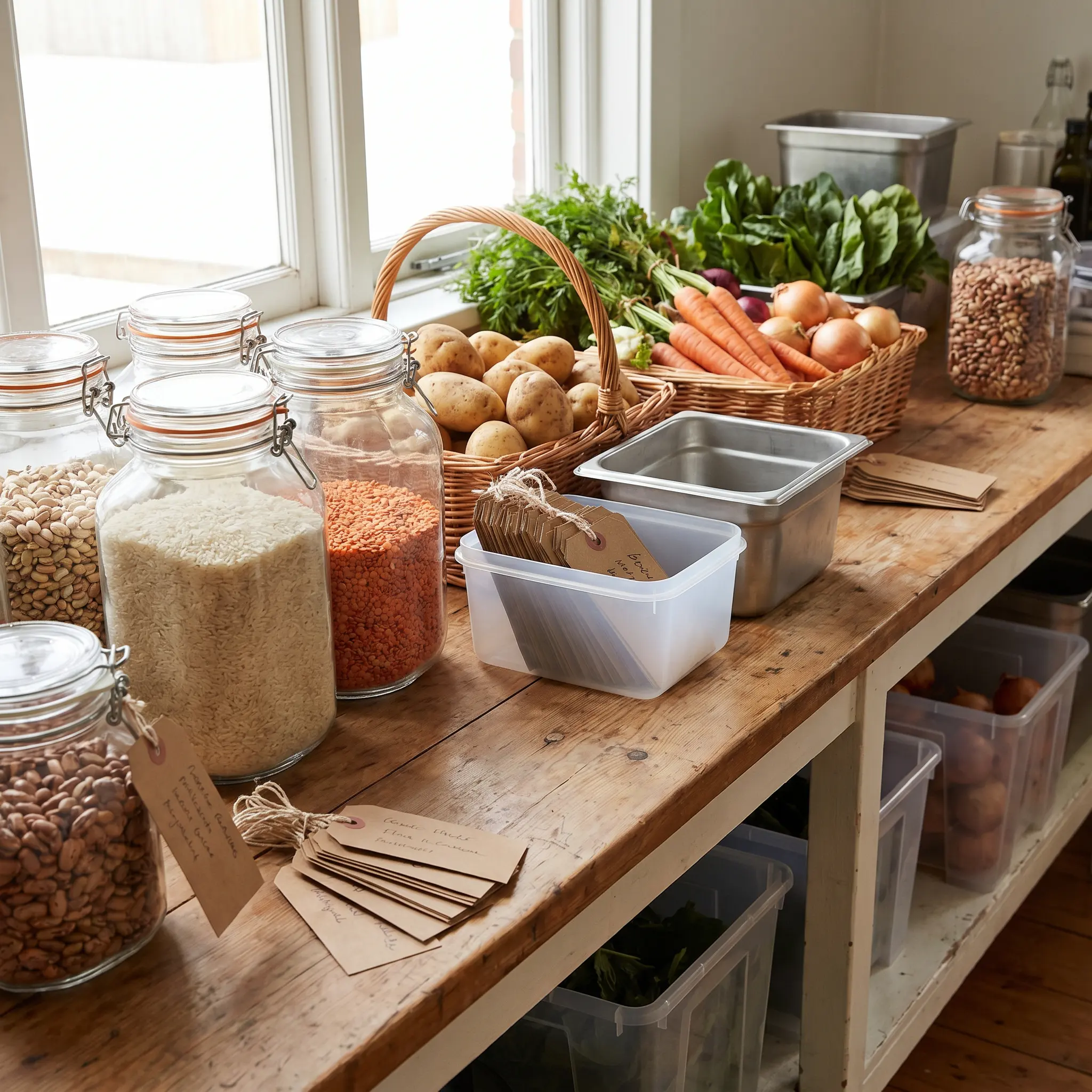
Guides use direct words, short checklists, and realistic constraints like transport, storage, and program hours.
The tone avoids blame. Needing food support is treated as a logistics problem and a community responsibility.
Readers are encouraged to verify hours, documents, and eligibility because every pantry and meal site is different.