Immediate food
Soup kitchens, community fridges, school meal extensions, faith-based meal nights, and hotlines can bridge the next meal while longer support is arranged.
Hunger relief without shame
Starving Casa is a practical reference for people trying to find safe meals, plan a small pantry, or support someone whose food supply has broken down. The guidance here stays away from dieting, fasting, and body-size advice. It focuses on relief: what to ask a pantry, how to make donated food easier to use, what to keep ready for no-cook days, and when hunger becomes a medical concern.
Soup kitchens, community fridges, school meal extensions, faith-based meal nights, and hotlines can bridge the next meal while longer support is arranged.
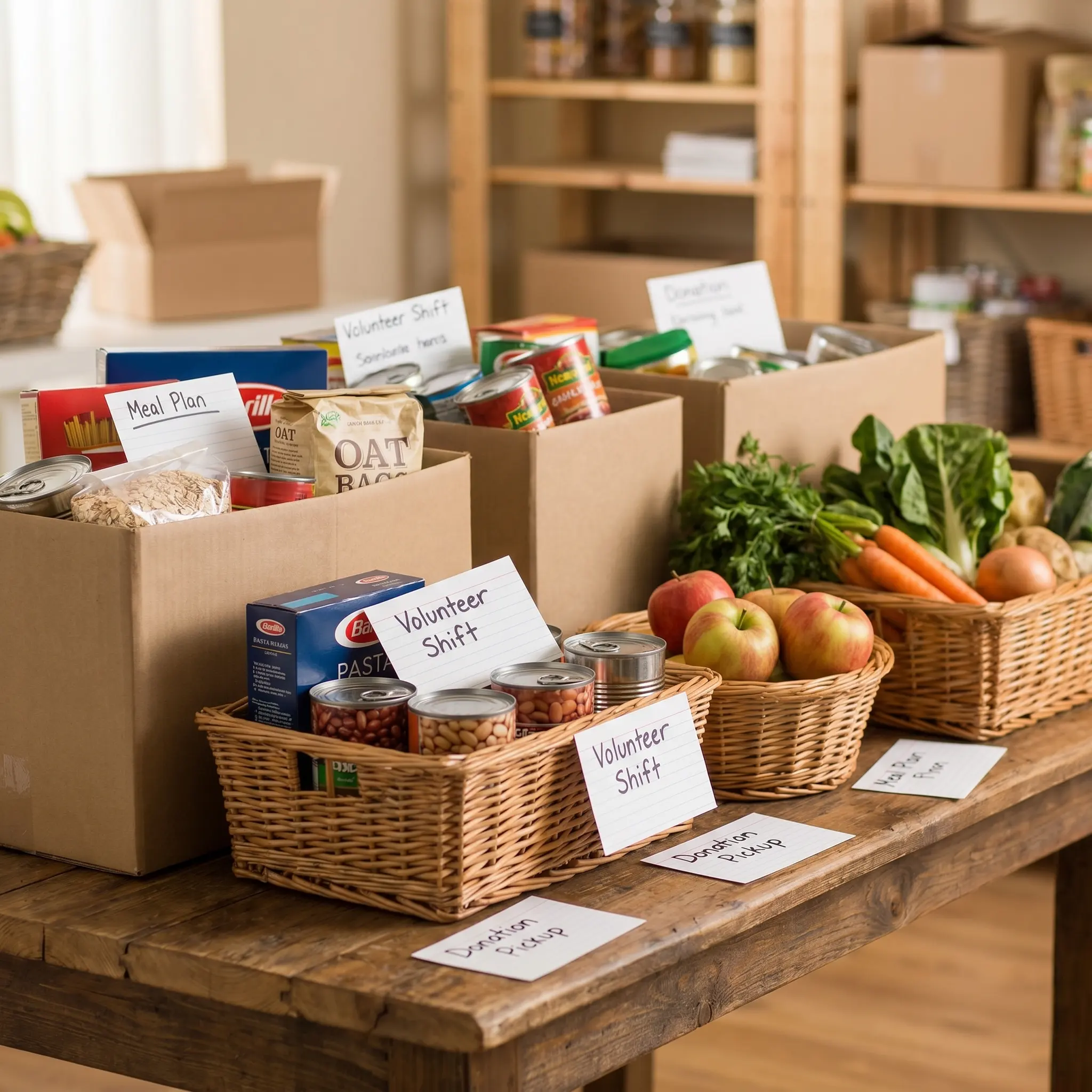
Beans, grains, canned vegetables, shelf-stable protein, cooking oil, and fruit cups become more useful when they are grouped into simple meal patterns.
Eligibility rules, hours, transportation, and documentation requests change often. A short call before leaving can save a missed trip.
After a stretch without enough food, gentle regular meals, hydration, and medical guidance for severe symptoms matter more than perfect menus.
A small-room method
Food insecurity often arrives with scattered details: a closed pantry, a lost benefit card, an empty bus pass, a refrigerator that cannot hold perishables. Starving Casa treats those details as the real work. We suggest separating the problem into three rooms: what can be eaten today, what can be stored for the week, and who can help keep the supply steady. That keeps the plan humane and specific.
Today
Locate a meal site, call ahead, carry a container if allowed, and choose foods that feel easy to tolerate.
This week
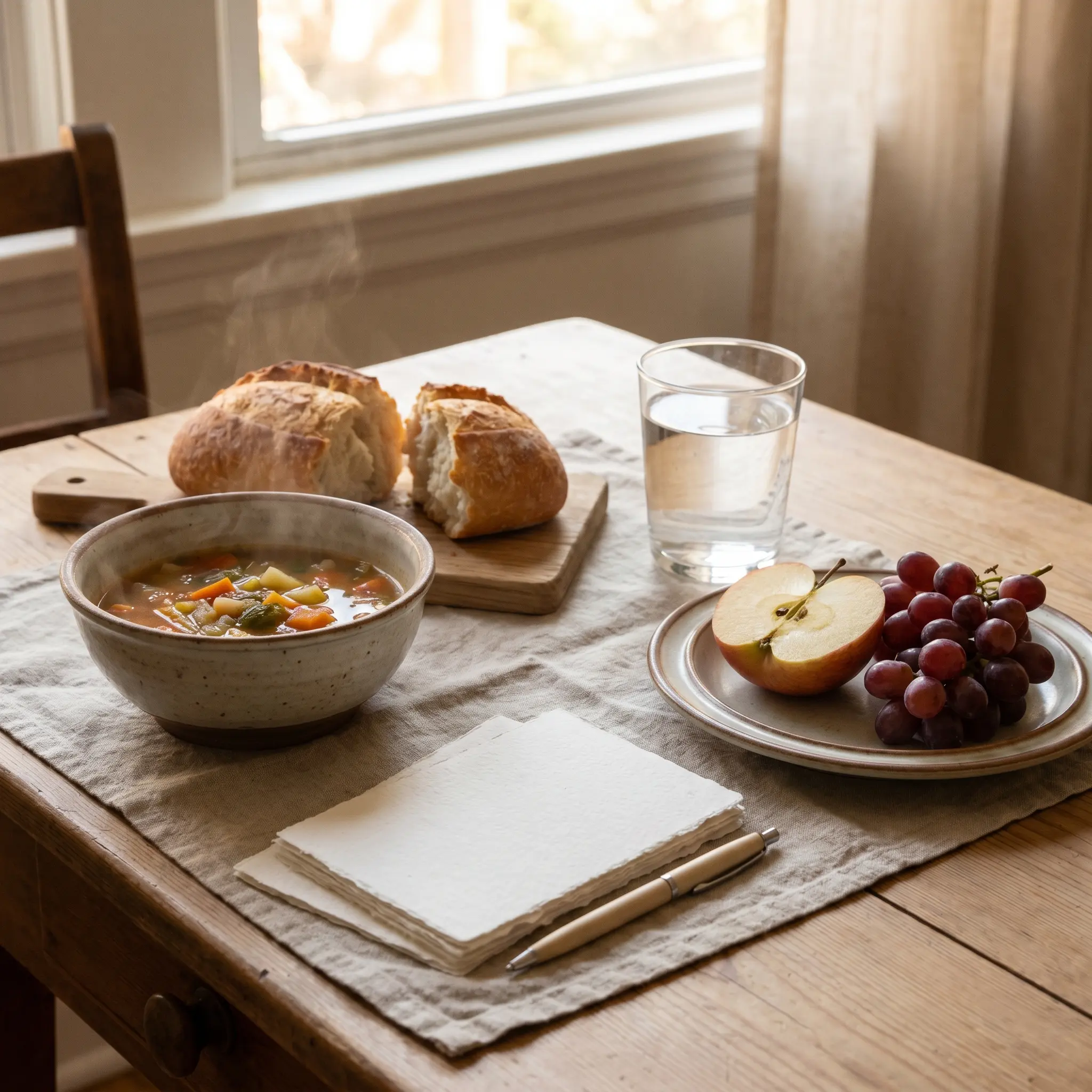
Pair pantry staples into repeatable meals: grain plus protein, soup plus bread, fruit plus dairy or an alternative.
Next contact
Ask a caseworker, school, clinic, library, or mutual-aid group about benefit screening and transportation support.
The name of this site is direct because hunger is direct. It is not an invitation to normalize going without food. We do not provide starvation methods, appetite suppression tricks, extreme weight-loss ideas, or content that encourages disordered eating. If a reader is unable to eat, has gone a long time with little food, feels faint, confused, or physically unsafe, the best next step is urgent local medical or crisis support.
The pages here are built for practical recovery: food access, pantry planning, emergency meals, and respectful messages to support teams.